
The first trip to the dentist is a major milestone in your child’s development. Not only does it mark the beginning of their oral health journey, but it also lays the foundation for future attitudes about dental care.
For many parents, the idea of bringing a toddler or young child into a dental office can seem overwhelming. However, understanding what to expect can help ease concerns and create a positive, stress-free experience for both parent and child.
Why the First Visit Matters
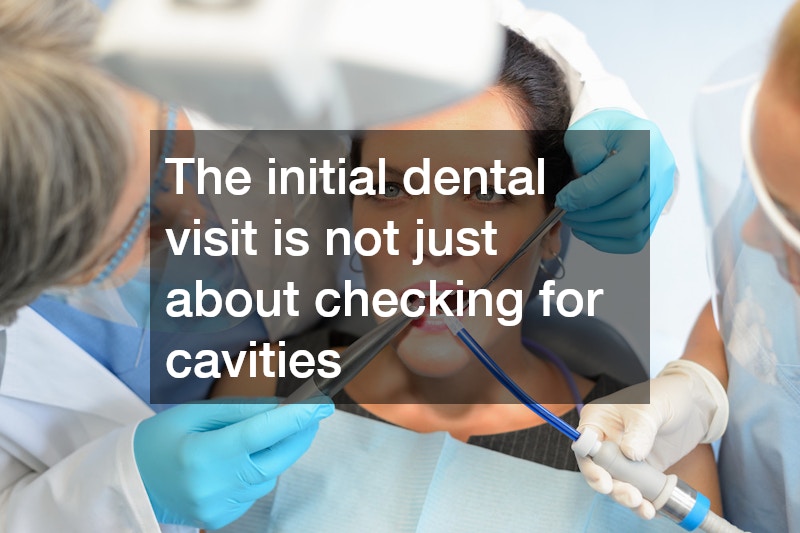
The initial dental visit is not just about checking for cavities—it’s about introducing your child to a new environment in a way that is comfortable and non-threatening. The earlier your child sees a dentist, the better chance they have of developing good habits and avoiding serious dental issues later on. According to the American Academy of Pediatric Dentistry, children should visit the dentist by age one or within six months of their first tooth erupting.
This visit allows the dentist to evaluate your child’s oral development, offer guidance on proper brushing techniques, and check for early signs of issues like tooth decay or misalignment. It’s also an opportunity for parents to ask questions and receive support on everything from pacifier use to thumb sucking.
How to Prepare Your Child
Preparation can make a big difference in how smoothly the visit goes. Start by talking about the dentist in a fun and positive way. Use age-appropriate language to describe what will happen. You can say things like, “The dentist is going to count your teeth and make sure they’re healthy,” instead of focusing on anything that sounds scary.
There are also many children’s books and videos that help introduce the idea of dental visits through stories and colorful illustrations. Role-playing at home—such as pretending to be the dentist and letting your child examine your teeth—can also help familiarize them with the experience.
What Happens at the Appointment
When you arrive at the dental office, you’ll likely find a welcoming environment designed for children. Many pediatric offices include kid-friendly décor, toys, or entertainment to help your child feel at ease. The staff is usually trained to handle children with patience and empathy, which helps the appointment start on the right foot.
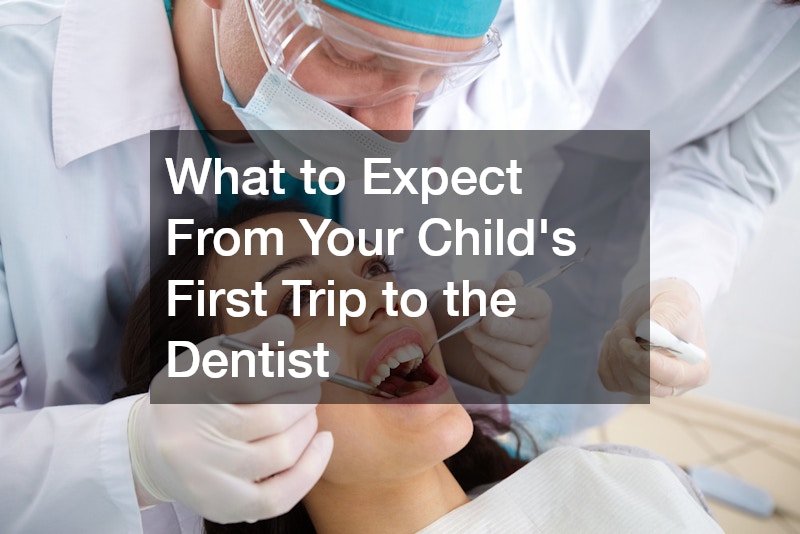
During the visit, the dentist will examine your child’s teeth and gums, possibly count their teeth, and check for any signs of decay or developmental concerns. Depending on the age and comfort level of your child, the dentist might perform a gentle cleaning or apply a fluoride treatment.
Common Topics the Dentist Will Discuss
Beyond the examination, the dentist will spend time talking with you about your child’s oral health habits. You can expect a conversation about proper brushing and flossing techniques, the types of toothbrushes and toothpaste appropriate for your child’s age, and how much fluoride is safe to use.
The dentist will also discuss your child’s eating habits and how diet plays a role in oral health. Sugary snacks, juice, and other common children’s foods can increase the risk of cavities. You’ll receive tips on healthier options and how to maintain a balanced diet that supports strong teeth.
Dealing With Nervousness or Fear
It’s completely normal for children to feel nervous during their first visit. Even some adults get anxious at the dentist, so a little hesitation from a child is nothing to worry about. Stay calm and reassuring. Your child will look to you for cues on how to react, so if you’re relaxed and confident, they are more likely to follow suit.
Some children find comfort in bringing a favorite toy or blanket with them to the appointment. Others may respond well to praise and positive reinforcement throughout the visit. Pediatric dentists often use child-friendly techniques, such as “tell-show-do,” where they explain each step before doing it to reduce fear.
After the Visit
Once the appointment is complete, the dentist will likely recommend that your child return every six months for regular checkups. These consistent visits help reinforce the routine and give your child time to build familiarity and trust with the dental team.
Maintaining healthy habits at home is just as important as the checkups themselves. Brushing twice a day with a soft-bristled toothbrush, using a small amount of fluoride toothpaste, and flossing when appropriate will keep your child’s smile on track. As they get older, involving them more in their own oral care can help them take ownership of their health.
Choosing the Right Dentist for Your Child
One of the most important factors in making the first visit a success is choosing the right dentist. A pediatric dentist has specialized training to work with children and understands how to manage their emotions, behaviors, and dental needs. You can ask for recommendations from friends or family members, or read online reviews to find someone who is known for working well with young children.
Scheduling a brief meet-and-greet before the actual appointment can also help your child feel more comfortable. Some offices even offer tours or introductory visits for first-timers, which allow children to see the office, meet the staff, and ask questions in a low-pressure setting.
Setting the Foundation for Lifelong Oral Health
Your child’s first trip to the dentist isn’t just a routine appointment—it’s a meaningful step toward lifelong dental wellness. With the right preparation, a supportive dental team, and consistent care at home, you can help your child feel confident and excited about taking care of their teeth. Starting early not only prevents future problems but also encourages healthy habits that can last a lifetime.