Maintaining dental health becomes increasingly important with age, as oral conditions can directly impact overall well-being. From digestion to cardiovascular health, the state of your teeth and gums plays a larger role than many people realize. As the body changes over time, so does the mouth, making it essential to adapt dental care routines accordingly. Understanding how aging affects oral health and implementing proactive strategies can help preserve both function and comfort well into later years.
How Aging Affects Dental Health
Changes in Tooth Structure
Over time, the enamel that protects your teeth naturally wears down. This thinning makes teeth more vulnerable to sensitivity, especially when consuming hot, cold, or sugary foods.
As enamel erodes, the underlying dentin becomes exposed, increasing the risk of cavities and discoloration. Years of chewing, grinding, and exposure to acidic foods all contribute to this gradual breakdown. In addition, older dental work, such as fillings or crowns, may weaken, further increasing the likelihood of decay in previously treated areas.
Impact on Gum Health
Gum health often declines with age, particularly if preventive care has been inconsistent. Receding gums expose the roots of teeth, which are more susceptible to decay and sensitivity. This condition can also create pockets where bacteria accumulate, leading to gum disease. Periodontal disease is a significant concern among older adults, as it can progress without obvious symptoms and eventually result in tooth loss. Chronic inflammation from gum disease has also been linked to systemic health issues, reinforcing the importance of early detection and ongoing care.
The Role of Dry Mouth
Dry mouth is a common issue among older adults and is often caused by medications used to treat conditions such as high blood pressure, depression, or allergies. Saliva plays a critical role in neutralizing acids and washing away food particles, so reduced saliva production can significantly increase the risk of tooth decay and gum disease. Persistent dry mouth can also make it uncomfortable to speak, chew, or swallow, affecting overall quality of life. Addressing this condition early is key to maintaining oral health.
Best Dental Care Practices for Seniors
Brushing and Flossing Techniques
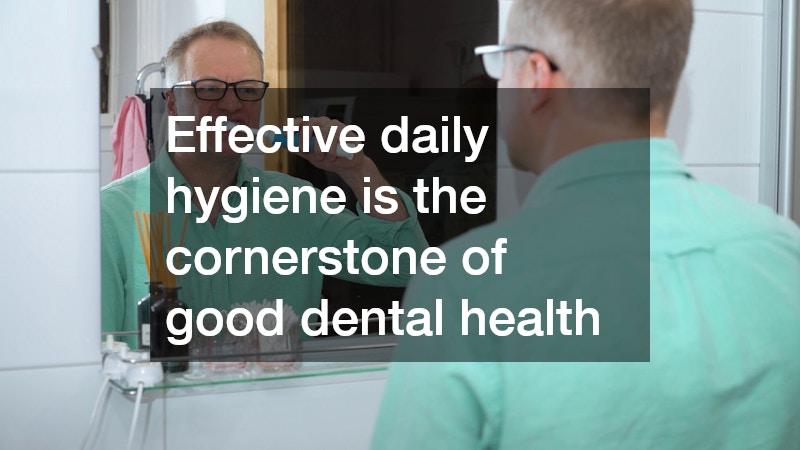
Effective daily hygiene is the cornerstone of good dental health at any age, but it becomes even more critical as you grow older. Using a soft-bristled toothbrush helps protect sensitive gums and enamel while still removing plaque effectively. Fluoride toothpaste strengthens enamel and reduces the risk of cavities. Flossing daily is essential for cleaning between teeth where a toothbrush cannot reach. For individuals with limited dexterity, tools such as floss holders or water flossers can make the process easier and more consistent.
Importance of Regular Dental Check-Ups
Routine dental visits are vital for identifying issues before they become serious. Professional cleanings remove plaque and tartar buildup that cannot be addressed through at-home care alone. Dentists can also monitor changes in gum health, detect early signs of decay, and assess the condition of existing dental work. For older adults, finding providers who understand age-related dental needs, such as local medicare dentists, can help ensure access to appropriate and affordable care. Consistent check-ups provide a preventive approach that reduces the likelihood of complex and costly treatments later.
Adopting a Healthy Diet
Nutrition plays a significant role in oral health. A diet rich in calcium, vitamin D, and phosphorus supports strong teeth and bones, while vitamin C contributes to healthy gums. Limiting sugary snacks and acidic beverages helps reduce the risk of enamel erosion and cavities. Staying hydrated is equally important, particularly for those experiencing dry mouth, as water helps maintain saliva flow and rinse away harmful bacteria.
Common Dental Issues in Older Adults
Tooth Loss
Tooth loss remains a prevalent issue among older adults, often resulting from untreated decay or advanced gum disease. Missing teeth can affect not only appearance but also speech and the ability to chew properly. This can lead to nutritional deficiencies if certain foods are avoided. Modern solutions such as dentures, bridges, and dental implants offer effective ways to restore function and aesthetics. Early intervention and proper maintenance of these solutions are essential.
Increased Tooth Decay
The risk of cavities tends to increase with age due to factors such as dry mouth, receding gums, and changes in diet. Root decay becomes more common as gum recession exposes softer root surfaces. Additionally, older adults may have difficulty maintaining consistent oral hygiene due to physical limitations or cognitive decline. Addressing these challenges with adaptive tools and regular dental care can significantly reduce the incidence of decay.
Decreased Sensitivity and Pain Awareness
One lesser-known aspect of aging is a reduced sensitivity to pain, which can delay the detection of dental problems. Issues such as infections, fractures, or decay may progress without noticeable discomfort, allowing them to worsen over time. This makes routine dental visits even more critical, as professionals can identify and treat problems before they escalate.
Caring for your teeth as you age requires a proactive and informed approach. Natural changes in tooth structure, gum health, and saliva production can increase the risk of dental issues, but these challenges can be effectively managed with the right strategies. By understanding the unique needs that come with aging and addressing them early, it is possible to maintain a healthy, functional smile for years to come.