
Missing teeth can impact far more than just the appearance of a smile. They can affect speech clarity, make chewing uncomfortable, and over time, lead to bone loss in the jaw that alters facial structure. While traditional options like removable dentures or fixed bridges have helped patients for generations, modern dental implants offer a permanent solution designed to mirror natural teeth. Understanding how a specialized provider plans, places, and restores these implants reveals why this treatment remains the gold standard for long-term tooth replacement.
The Science and Structure of Dental Implants
To understand how replacement teeth function so effectively, it helps to look at their basic construction. Unlike remedies that sit on top of the gums, implants replace the entire tooth structure from root to crown.
Replacing the Natural Root System
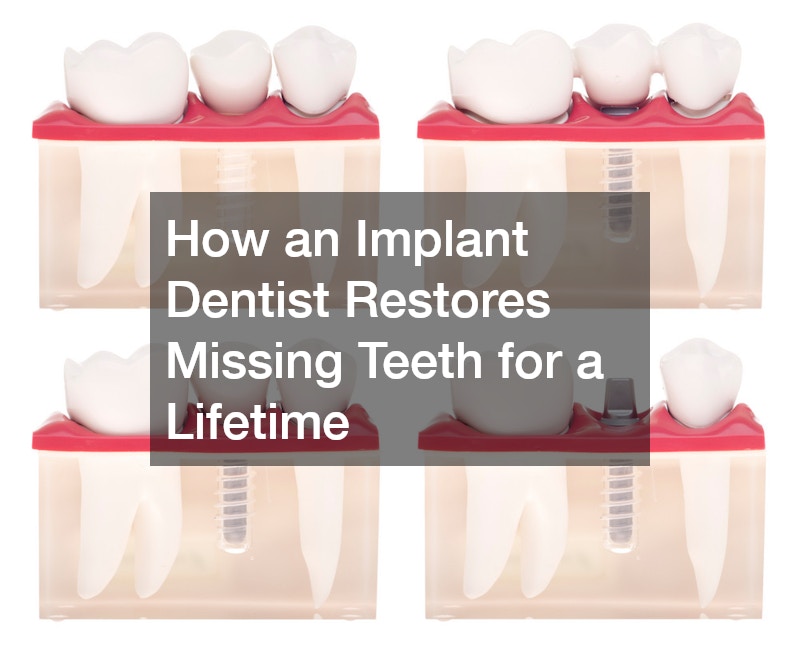
A natural tooth consists of a crown above the gumline and a root anchored securely in the jawbone. When a tooth is lost, the underlying bone no longer receives the functional stimulation required to maintain its density, causing it to deteriorate slowly over time. An implant post, usually crafted from biocompatible titanium, acts as a synthetic root. Once placed into the jawbone, a natural process called osseointegration occurs. Over several months, the surrounding bone tissue fuses directly with the post, establishing a solid, permanent foundation that prevents future bone loss.
The Support Structure and Custom Restoration
Once the implant has integrated with the bone, a small connector piece known as an abutment is attached. This component extends slightly above the gumline and serves as the anchor point for the final visible restoration. A custom crown, bridge, or full arch of teeth is then secured to the abutment. These restorations are engineered from high-strength porcelain or ceramic materials color-matched to your surrounding teeth, ensuring a seamless, natural appearance.
The Step-by-Step Restoration Journey
Restoring missing teeth with implants requires careful planning, precise execution, and dedicated follow-up care. A trained practitioner guides patients through each distinct phase of treatment.
Comprehensive Assessment and Treatment Planning
The journey begins with an in-depth oral evaluation. Detailed three-dimensional digital imaging and low-radiation scans allow the practitioner to evaluate jawbone density, locate nerve pathways, and map out the exact position for placement. If a patient has suffered significant bone loss since losing a tooth, preliminary procedures like bone grafting may be recommended to build a strong foundation before proceeding.
Surgical Placement and Healing Phase
During the surgical phase, the practitioner precisely places the post into the targeted location in the jawbone under local anesthesia or comfortable sedation. Afterward, a healing period lasting a few months allows the jawbone to fuse fully around the post. In many cases, a temporary visible crown is provided so patients never have to go without a functional smile while healing takes place underneath.
Final Fitting and Custom Placement
Once integration is complete, the practitioner takes detailed impressions or digital scans of the mouth to create the custom final restoration. When the permanent crown or bridge is ready, it is attached securely to the post and adjusted carefully to ensure proper bite alignment, maximum comfort, and natural aesthetics.
Long-Term Benefits of Choosing Implants
Implants provide unique advantages over traditional tooth replacement options, making them an ideal choice for patients seeking a permanent solution.
Preservation of Neighboring Healthy Teeth
Traditional dental bridges require altering adjacent natural teeth to support the replacement structure, grinding down healthy enamel permanently. Implants stand completely independently within the jawbone, leaving surrounding healthy teeth completely intact and untouched.
Uncompromised Strength and Natural Function
Because the replacement root is fused to the jawbone, implants restore full biting force and chewing capacity. Patients can enjoy all types of foods without worrying about slipping, clicking, or discomfort often associated with removable dentures. Speech also remains clear and natural, boosting everyday social and professional confidence.
Superior Longevity and Simple Maintenance
While traditional bridges and dentures often require replacement or relining every five to ten years, implants are designed to last a lifetime when properly cared for. Maintaining them requires the same routine care as natural teeth: brushing twice a day, flossing around the restoration, eating a balanced diet, and scheduling regular checkups.
In addition to restoring daily comfort and oral health, investing in long-term tooth replacement profoundly impacts long-term facial aesthetics. When multiple teeth are missing, the jawbone naturally shrinks, leading to a sunken appearance around the cheeks and mouth that can prematurely age a person’s face. By stimulating the jawbone just like natural roots do, implants preserve facial structure, maintain muscle tone, and prevent the collapse of surrounding tissues. This structural stability helps preserve your natural facial contours, allowing you to speak, laugh, and smile with complete confidence throughout every stage of life.
Seeking out an experienced dentist ensures that every step of your restoration process—from initial diagnostic imaging to the final crown placement—is handled with precision, giving you a strong, beautiful, and lasting smile for years to come.