
Navigating the modern healthcare landscape often feels overwhelming, particularly when dealing with oral health. Most individuals recognize the basic necessity of brushing and flossing twice every day. Even so, when unexpected toothaches, alignment challenges, or persistent jaw soreness arise, determining which practitioner to call can cause genuine confusion. Dentistry is divided into distinct branches, with each area focusing on specialized diagnostic methods, specific age groups, and distinct anatomical concerns.
For most patients, the foundational relationship begins with a dependable local dentist. This clinician acts as the primary guardian of oral wellness, completing routine visual examinations, capturing baseline digital images, and monitoring periodontal stability over decades. Through this ongoing connection, patients access dependable diagnostic checks aimed at managing plaque accumulation, reversing early enamel demineralization, and repairing minor structural damage before painful infections develop.
As modern clinical science has expanded, dedicated subfields have evolved to handle complex functional and structural issues. These professional disciplines range from bite correction and joint rehabilitation to artistic restorations and behavioral management for young children. When patients take advantage of comprehensive dental services across these fields, they can navigate their personal treatment pathways with clarity and peace of mind. Choosing the right provider at the right time prevents unnecessary discomfort and preserves natural smiles over time.
General Dentistry: Prevention, Diagnostics, and Restorations
At the center of comprehensive oral wellness stands the primary practitioner. A skilled general dentist functions much like a primary care physician, overseeing the entire oral ecosystem. These clinicians complete rigorous graduate training to diagnose tooth decay, manage early periodontal disease, evaluate mucosal tissues, and repair broken enamel with composite fillings or protective crowns. Their central mission centers on prevention, disease interception, and maintaining oral function throughout adult life.
During regular checkup appointments, these practitioners evaluate soft tissues for unusual lesions, measure gum pockets to detect gingivitis, and remove calcified tartar deposits that regular home brushing cannot dislodge. They also serve as the critical diagnostic gatekeeper for specialized care. When a patient presents with chronic headaches, atypical tooth wear, or persistent clicking sensations in the jaw joint, the practitioner must determine whether the underlying problem stems from simple tooth grinding or structural joint displacement.
If advanced joint pathology is suspected, the clinician frequently collaborates with an experienced tmj dentist to conduct specialized jaw motion tracking and imaging. This collaborative dynamic ensures that conservative interventions occur before irreversible cartilage degeneration sets in. By serving as both diagnostician and coordinator, the primary practitioner helps individuals address urgent dental concerns while protecting long-term systemic stability and physical comfort across adulthood.
Family Care: Coordinating Multi-Generational Appointments
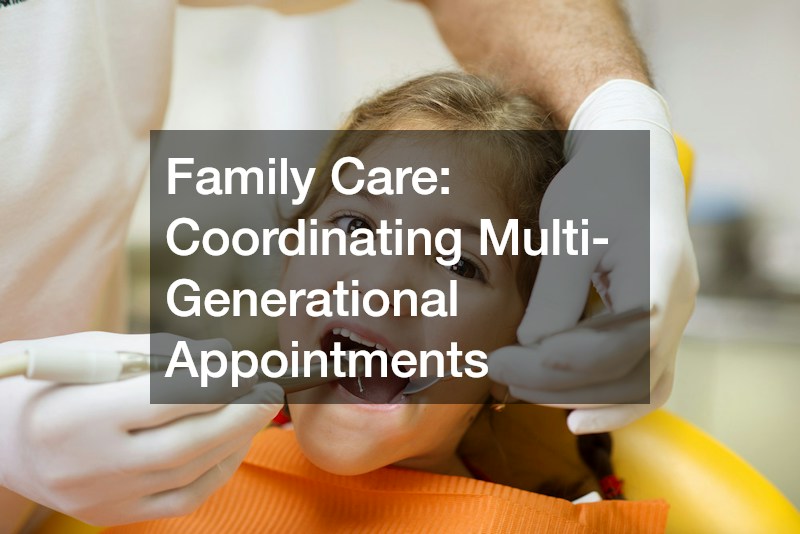
While general practitioners often focus their clinical schedules on adults, households with diverse age groups frequently seek a practice tailored to multiple generations. A dedicated family dentist adapts clinical approaches to accommodate patients ranging from early childhood through the retirement years. This model allows parents, children, and grandparents to receive comprehensive care within a single clinic, simplifying scheduling and centralizing medical records under one convenient roof.
These practitioners develop an intimate understanding of shared household dynamics, dietary tendencies, and hereditary traits. If genetic enamel weaknesses or periodontal vulnerabilities run in a family lineage, the clinician monitors those markers across multiple relatives. This historical perspective allows for proactive intervention long before minor concerns turn into extensive clinical problems. Furthermore, children who watch their parents comfortably receive routine checkups tend to develop significantly less dental anxiety as they mature.
Beyond routine examinations, these versatile clinicians manage a wide variety of adult restorative and aesthetic requests. For instance, when a working parent wishes to repair worn tooth edges or lighten deep coffee staining, the practice can deliver an appropriate cosmetic dental procedure without requiring outside referrals. From minor bonding touch-ups to full ceramic veneers, these treatments restore personal confidence while preserving foundational structural integrity and natural chewing function.
Pediatric Practice: Specialized Care for Children
Childhood oral development requires specialized clinical knowledge and psychological sensitivity. Deciduous baby teeth possess thinner enamel, larger nerve chambers, and rapid calcification schedules that differ markedly from permanent adult teeth. Consequently, the best pediatric dentists complete two to three additional years of post-doctoral residency training focused exclusively on child physiology, developmental psychology, specialized pharmacology, and interceptive developmental guidance.
A primary strength of these youth-focused practices lies in behavioral management and environment design. Pediatric operatories feature kid-friendly terminology, sensory-adapted treatment rooms, and positive reinforcement protocols that transform what could be an intimidating clinical encounter into an enjoyable experience. These clinicians closely monitor facial bone growth, track the natural shedding schedule of primary teeth, and intervene early when oral habits like tongue thrusting or thumb sucking threaten proper dental arch formation.
During these critical developmental phases, clinicians also evaluate skeletal alignment to prepare for future orthodontic needs. If early crossbites, severe crowding, or jaw disproportions emerge, the clinician can implement expanders or space maintainers. In late childhood and early adolescence, when permanent teeth erupt in rotated positions, conversations often transition toward aesthetic correction methods, such as ceramic clear braces, which offer a subtle appearance while delivering the precise mechanical forces needed for growing jaws.
Orthodontic Mechanics: Correcting Structural Malocclusion
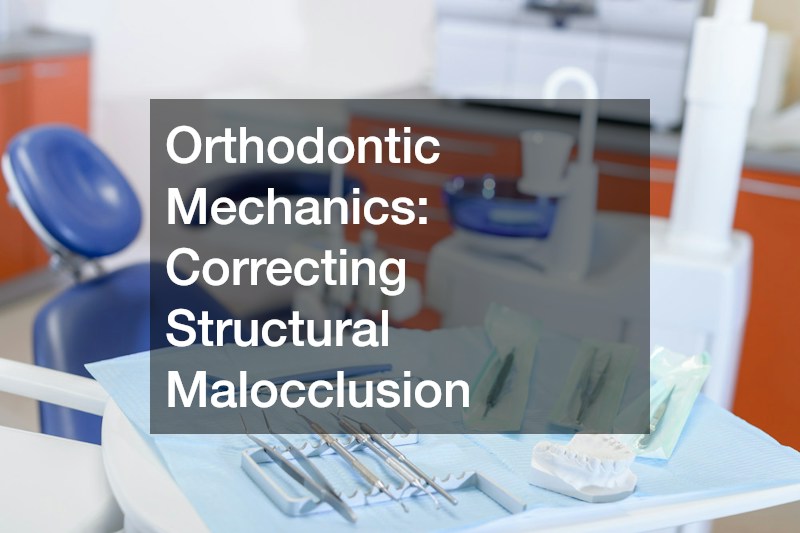
A straight smile contributes to far more than outward personal appearance. When teeth sit in crooked, crowded, or severely rotated positions, basic cleaning becomes significantly more difficult, increasing the risk of interproximal decay and periodontal pocketing. Board-certified orthodontists specialize in craniofacial biology, dental biomechanics, and occlusion. They spend years studying how controlled, continuous mechanical forces stimulate bone remodeling to move teeth safely through the alveolar ridge.
These specialists address complex malocclusions, including severe overbites, underbites, open bites, and crossbites. By utilizing three-dimensional facial scans, cephalometric radiographs, and digital movement simulations, they design customized biomechanical plans tailored to each individual patient. Their clinical goal involves establishing an optimal functional bite where upper and lower teeth interlock harmoniously, distributing chewing forces evenly across the entire dental arch and protecting enamel from premature structural fractures.
Technological progress has expanded the treatment options available to these alignment experts. While traditional stainless steel brackets remain effective for difficult skeletal movements, advanced clear aligner systems like invisalign have transformed modern treatment plans. By wearing a sequential series of custom-molded, medical-grade polyurethane trays, patients can achieve precise tooth repositioning with minimal disruption to their daily professional and social routines, removing appliances easily for meals and oral hygiene tasks.
Adult Orthodontics: Discreet Alignment for Professionals
In recent decades, the demographic profile of orthodontic patients has changed dramatically. Adults now represent a substantial percentage of individuals seeking bite correction, driven by a desire to improve oral hygiene access, reverse age-related crowding, and boost professional poise. However, working adults frequently express hesitation when considering conspicuous metal hardware. To meet this demand, a collaborative local dentist will often present aesthetic alternatives designed to blend seamlessly into everyday adult life.
Among the most dependable options for complex structural repositioning are tooth-colored ceramic brackets. Known widely as clear braces, these appliances utilize polycrystalline alumina brackets that match the natural shade of enamel, paired with frosted or rhodium-coated archwires. Because they remain fixed to the teeth throughout the treatment period, they deliver constant, uninterrupted corrective pressure without relying on patient compliance or daily wear tracking at home.
This fixed design makes ceramic brackets particularly well suited for correcting severe rotations, intruding or extruding teeth, and closing complex extraction spaces that removable plastic trays struggle to resolve efficiently. Adults appreciate that they can achieve the uncompromising mechanical control of traditional bracket systems while maintaining an understated, professional appearance during meetings, presentations, and social engagements with peers throughout their entire therapeutic journey.
Craniofacial Care: Diagnosing Chronic Jaw Pain

Chronic facial discomfort, persistent morning headaches, and neck stiffness frequently remain misdiagnosed for months or years. Many individuals attribute these symptoms to tension, poor sleep posture, or migraine disorders, unaware that the true origin sits directly in the temporomandibular joints. When a patient reports persistent jaw tenderness or audible clicking sounds while eating, a perceptive general dentist will evaluate the chewing muscles, check for uneven dental wear, and examine range of motion.
If the joint shows signs of internal disc derangement, inflammatory arthritis, or microtrauma from severe clenching, the patient is best directed to a qualified tmj dentist. These specialists possess advanced training in neurophysiology, neuromuscular dentistry, and craniofacial orthopedics. They utilize advanced diagnostic equipment, including cone-beam computed tomography, joint vibration analysis, and electromyography, to assess how muscle activity coordinates with joint anatomy during speech and mastication.
Treatment protocols in neuromuscular practices focus on non-invasive decompression before considering any surgical measures. Specialists commonly fabricate custom orthotic splints that reposition the lower jaw into an ideal physiological resting position, allowing overtaxed pterygoid and masseter muscles to relax. By restoring proper muscular balance, these clinicians alleviate chronic pain, prevent recurring muscular spasms, and protect teeth from catastrophic nocturnal fracturing over years of nightly rest.
Cosmetic Enhancements: Balancing Aesthetics and Function
Modern dentistry recognizes that personal well-being is closely tied to how comfortably an individual shares their smile. However, experienced clinicians emphasize that aesthetic upgrades must always be built upon a healthy periodontal foundation. A dedicated family dentist will thoroughly evaluate gum tissue health, bone density, and enamel thickness before considering any elective enhancements, ensuring that cosmetic desires never compromise long-term tooth vitality.
Once oral health is verified, patients can explore a wide spectrum of visual refinements tailored to their goals and budget. Whether an individual desires professional in-office whitening to eliminate years of stubborn intrinsic discoloration or micro-abrasion to treat fluorosis spots, the clinician provides safe, evidence-based treatments. In cases of asymmetrical gum lines, gentle soft-tissue laser contouring can frame the teeth more evenly, naturally, and symmetrically across the smile line.
When teeth suffer from deep structural wear, irregular spacing, or extensive chipping, a patient may choose a more comprehensive cosmetic dental procedure. Custom porcelain veneers, ultra-thin ceramic crowns, or full-mouth aesthetic bonding can completely revitalize a smile. High-quality aesthetic materials are custom-shaded and layered to mimic natural enamel translucency, creating a balanced, authentic look that looks natural in any lighting environment while preserving underlying bite strength during everyday chewing.
Interceptive Collaboration: Pediatric and Alignment Partnerships
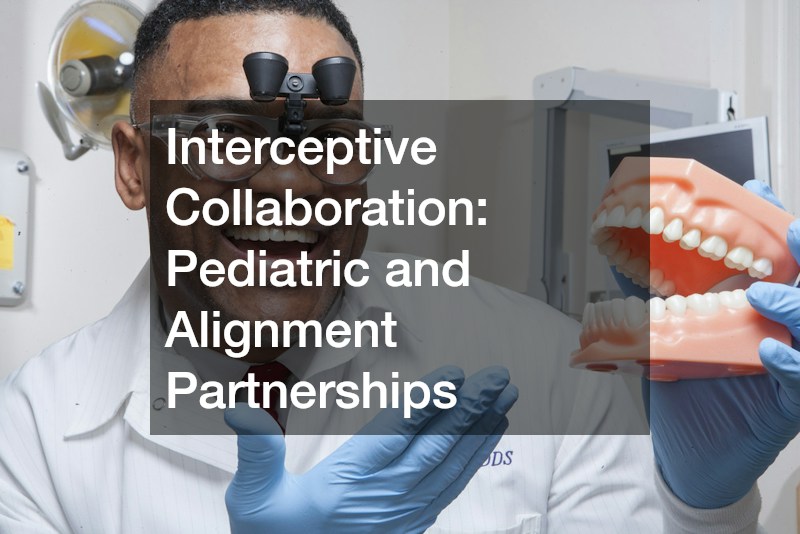
Long-term oral health success relies heavily on teamwork among distinct specialties. One of the most impactful clinical partnerships occurs between youth oral health practitioners and tooth alignment specialists. Major pediatric dental associations recommend that children receive an initial orthodontic screening by age seven, a developmental window when permanent first molars and front incisors have begun to establish definitive adult bite relationships.
Because children visit the clinic twice annually for routine cleanings, the best pediatric dentists serve as the first line of detection for emergent skeletal imbalances. They observe whether a child exhibits mouth-breathing habits, anterior open bites from prolonged pacifier use, or unilateral crossbites that force the lower jaw to shift awkwardly during chewing. When these red flags appear, early referral ensures that skeletal issues are caught while the craniofacial bones remain malleable.
When alerted to these concerns, skilled orthodontists initiate what is known as phase-one interceptive therapy. Rather than waiting until all permanent teeth erupt in the early teen years, specialists use palatal expanders, partial brackets, or functional appliances to guide bone growth and widen narrow maxillary arches. This timely coordination often prevents the need for future permanent tooth extractions or surgical jaw realignment later in life, simplifying adolescent treatment.
Care Integration: Assembling a Coordinated Team
Achieving and preserving exceptional oral health is a lifelong process that evolves across every stage of adulthood. A successful dental care journey does not require choosing between a trusted neighborhood generalist and a highly specialized expert. Instead, it involves building a unified care network where each clinician contributes their distinct clinical strengths, diagnostic perspectives, and technical capabilities to support the patient’s individual long-term wellness and functional goals.
A patient might maintain routine hygiene appointments with their primary provider while simultaneously using invisalign to correct a mild bite relapse, consulting an oral surgeon for wisdom teeth removal, or working with a periodontist to treat gum recession. When all providers communicate openly and share digital radiographs and treatment notes, the patient experiences cohesive, transparent, and efficient care without redundant tests or conflicting clinical recommendations between different offices.
To establish this level of care, individuals should feel empowered to ask questions about referral networks, advanced diagnostic technologies, and treatment philosophies. Whether seeking basic cleanings, specialized pediatric attention, or advanced reconstructive dental services, partnering with the right clinicians ensures that every tooth is protected for decades. A healthy, confident smile is an invaluable asset, and the right dental team makes maintaining it a smooth, predictable, and rewarding experience.