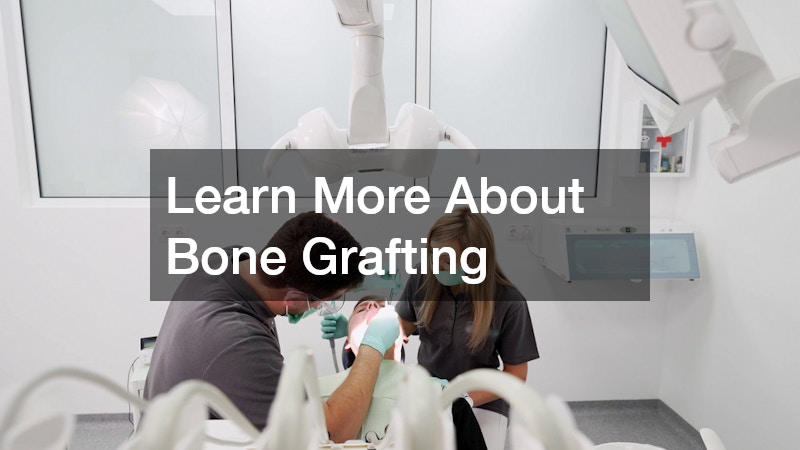
A healthy skeletal system provides the essential framework for the human body, supporting everything from everyday movement to the physical structure of the face and jaw. However, trauma, disease, infection, and progressive bone loss can compromise the density and structural integrity of skeletal tissue. In many instances, the human body cannot regenerate enough bone volume on its own to restore proper stability or anatomical alignment. This is where bone grafting becomes a critical medical and dental intervention. By placing natural or synthetic bone material into an area of deficiency, specialists can encourage new cellular growth and rebuild tissue that has deteriorated over time.
Understanding when this surgical technique is required empowers patients to navigate their treatment options with clarity. Whether performed in an orthopedic setting or during an oral surgery procedure, bone grafting serves as a foundational step toward long-term physical recovery. Five of the most frequent clinical scenarios necessitate this restorative technique.
Preparing the Jaw for Dental Implants
One of the most widespread applications of bone grafting occurs in modern dentistry, specifically in restorative and implant procedures. When a tooth is missing or extracted, the section of the jawbone that once supported the tooth root stops receiving routine mechanical stimulation from chewing. Over time, the body begins to reabsorb this unused bone tissue, causing the jawline to shrink in both height and width.
Rebuilding Lost Jawbone Mass
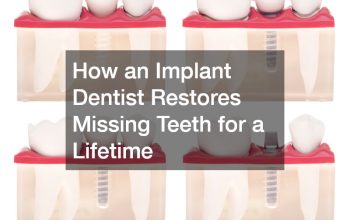
Dental implants rely on direct integration with the jawbone to achieve stability and mimic the function of natural tooth roots. If a patient has experienced prolonged tooth loss, localized trauma, or developmental deficiencies, there may not be enough physical bone remaining to hold an implant post securely. Performing bone grafting before or during the placement procedure restores the missing volume, creating a robust ridge capable of anchoring the dental restoration.
Ensuring Long-Term Implant Stability
Without adequate foundational density, dental implants face a significantly heightened risk of failure. Reinforcing the site ensures that artificial teeth remain firmly anchored under the daily pressure of biting and chewing. This proactive approach prevents future complications and preserves the natural contours of the face.
Treating Severe Periodontal Disease
Periodontal disease is a chronic inflammatory condition affecting the gums and supporting bone structures surrounding the teeth. Advanced stages of bacterial infection actively erode the underlying alveolar bone, leaving deep pockets around tooth roots and loosening their foundation.
Restoring Support for Natural Teeth
When periodontal infection causes localized osseous defects, bone grafting can be utilized to salvage natural teeth that would otherwise require extraction. After thorough deep cleaning and removal of infected tissue, graft materials are placed directly into the eroded areas. This intervention stimulates the body to regenerate lost structural support, stabilizing teeth and stopping further breakdown.
Repairing Nonunion Fractures
While the human body possesses remarkable self-healing capabilities following a broken bone, certain fractures fail to heal correctly. A nonunion fracture occurs when the broken ends of a bone fail to knit back together after an extended period, often due to inadequate blood supply, unstable movement, or severe trauma.
Overcoming Delayed Bone Healing
In cases of nonunion, orthopedic surgeons frequently turn to bone grafting to jumpstart the healing process. The graft material acts as a biological scaffold and supplies growth factors that recruit healthy bone-building cells to the fracture site. By bridging the gap between disconnected bone segments, the procedure transforms an unresponsive injury site into an active zone of biological repair.
Reconstructing Bone Following Tumor Resection
Benign and malignant tumors can develop within osseous tissues throughout the body, including the jaw, legs, arms, and spine. Treating these conditions often requires surgical excision of the tumor along with a safety margin of healthy surrounding tissue.
Filling Void Spaces After Surgery
Removing a tumor often leaves behind significant structural voids that weaken the remaining bone and increase the risk of spontaneous fractures. Applying bone grafting techniques allows surgeons to fill these defects immediately after resection. Over time, as native tissue infiltrates the placed graft, the bone regains its original strength, contour, and load-bearing capacity.
Fusing Joints for Pain Relief and Stability
Joint fusion, or arthrodesis, is a surgical technique used to permanently join two or more bones together across a joint space. This procedure is commonly performed on the spine, ankles, wrists, and feet to eliminate painful motion caused by severe degeneration.
Addressing Advanced Arthritis and Spinal Conditions
In spinal fusion operations or severe arthritis treatments, bone grafting provides the essential biological bridge between adjacent vertebrae or joint surfaces. By encouraging the bones to fuse into a single continuous structure, the procedure stabilizes the affected region, corrects deformities, and provides lasting relief from debilitating joint pain.
Maintaining Long-Term Skeletal Health
Whether addressing complex skeletal trauma or preparing for routine dental restorations, bone grafting remains a cornerstone of modern reconstructive medicine. By acting as a framework for natural cellular growth, this versatile procedure bridges gaps that the body cannot repair independently. Recognizing the specific reasons why a doctor or dentist recommends this intervention helps patients approach their treatment plan with confidence, paving the way toward restored function, improved aesthetics, and lasting physical well-being.